



















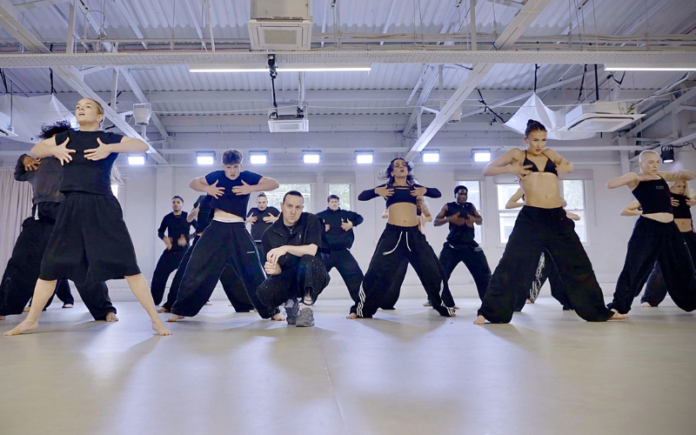
From body image and queer identity to the brutal realities of making it as a professional dancer, Luke Cornish’s new feature documentary Dance For Your Life pushes the story beyond fan favourite territory and into something deeper, rawer and more universal.
When Dance Life TV series landed, it quickly found an audience well beyond the dance community. Now director Luke Cornish is returning to that world with Dance For Your Life, a feature documentary that takes the intensity, ambition and emotional stakes of the series and expands them into a cinematic experience built for the big screen.
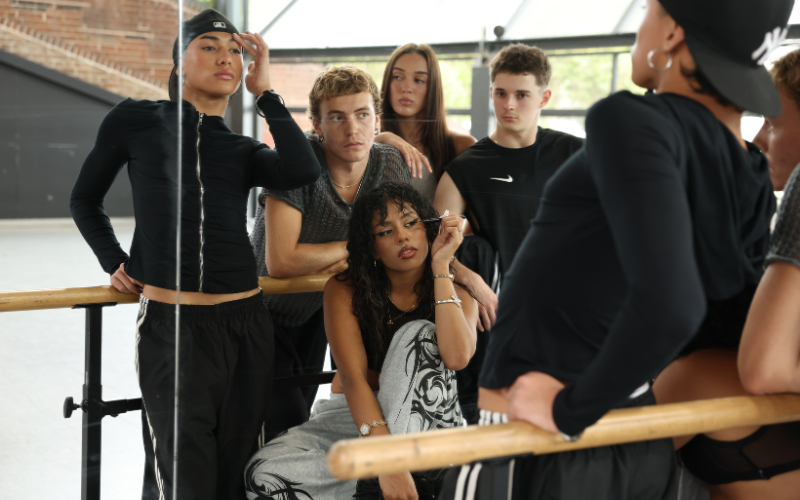
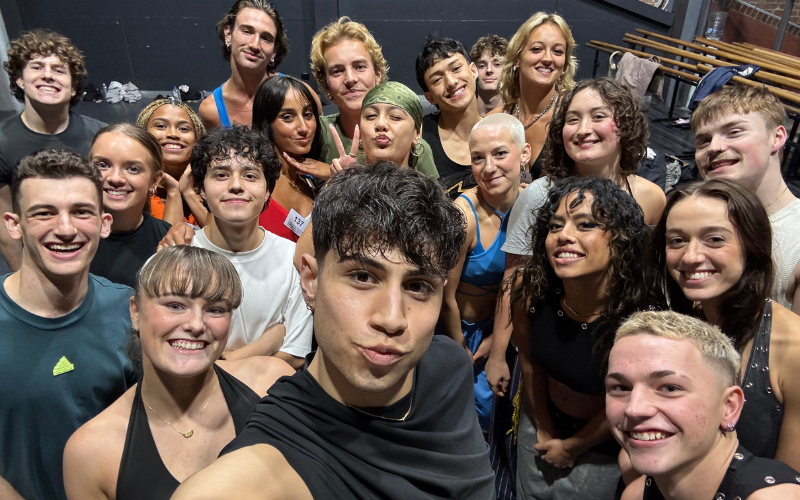
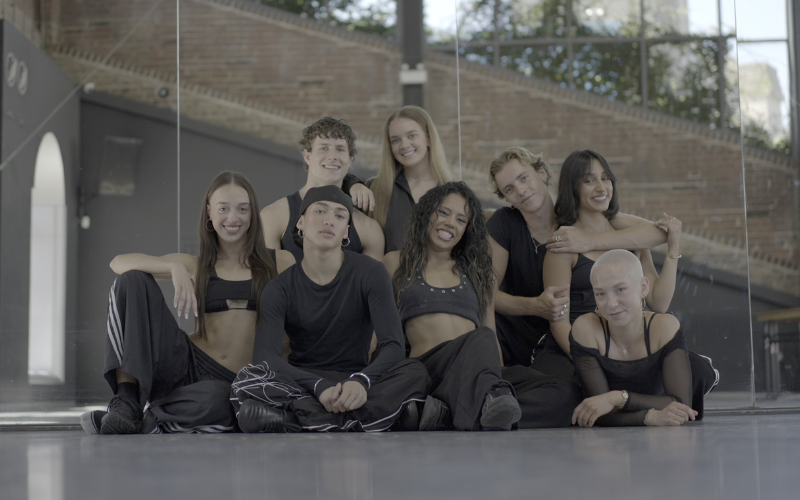
Releasing in cinemas nationwide on Thursday 2 April, the film follows ten young Australian dancers as they chase a once-in-a-lifetime opportunity to earn a contract with Shapehaus, a new international dance company led by choreographer Dean Lee.
The journey takes them from Brent Street in Sydney to London, where the pressure is relentless and the dream is as exhilarating as it is fragile.

For Cornish, the move from series to feature was not simply about capitalising on a hit. It was personal. As he explains, part of the motivation came from what he saw in the first season of Dance Life and what he felt he had not fully explored.
Why this story mattered more deeply
“Many things,” he said when asked why he wanted to return to the world of Dance Life. “Specifically, as a gay director, I was slightly annoyed at myself for not going hard enough on something which I witnessed happen during season one.”
What he saw was a disconnect that he felt the camera needed to confront more directly. The dancers who lit up the studio with their expression, flamboyance and confidence were not always the ones who were rewarded once they stepped outside the room and into the professional industry.
“The things that made some of the gay boys in season one so cool were not draws for when they actually had to go out there and work,” Cornish said. “I realised basically how much that tied into body image, and the actual importance of looks in general in this industry.”
That tension became one of the film’s core themes. Cornish said conversations around body image became especially raw, especially when the dancers were asked to speak about how they saw themselves and what they believed the industry wanted from them.
“It is like pressing a red hot button,” he said. “It would be tears.”
The pressure to look a certain way
One of the film’s most affecting ideas is that dance, despite its grace and artistry, is also a highly physical profession shaped by appearance, endurance and commercial expectation. Cornish does not soften that reality. Instead, he draws a direct line between the pressures dancers face and the broader social currency of the gay world.
“The gay scene is completely looks based,” he said. “That is our social currency.”
That honesty gives Dance For Your Life much of its emotional force. Cornish is not interested in pretending the industry has moved beyond image and prejudice. Instead, he wants audiences to understand just how much these young performers are dealing with before they ever reach the stage.
He also connects that pressure to the lived experience of queer people more broadly, particularly the emotional strain of trying to fit in, be accepted and feel seen. That perspective shapes the film’s tone, which is not simply celebratory but empathetic and deeply personal.
“It is actually almost like the gay aesthetic is a pretty impossible aesthetic to keep hold of,” he said. “I can relate to them talking about the diets, the gym, the pressure. It is no joke.”
Dance as drama
Cornish is adamant that dance deserves to be treated with the same respect as any other high-stakes competitive sport. For him, the film is not just about performance, but about tension, jeopardy and sacrifice.
“I never made this film like that was our core audience,” he said. “I made this film to touch me.”
He believes audiences who come to the film with little knowledge of dance will still connect with it, because the story is fundamentally about pursuit, fear, ambition and resilience. “I can tell you it is as exciting as watching any football game, any rugby game, whatever you want,” he said. “It is a sport. It is an athlete’s game.”
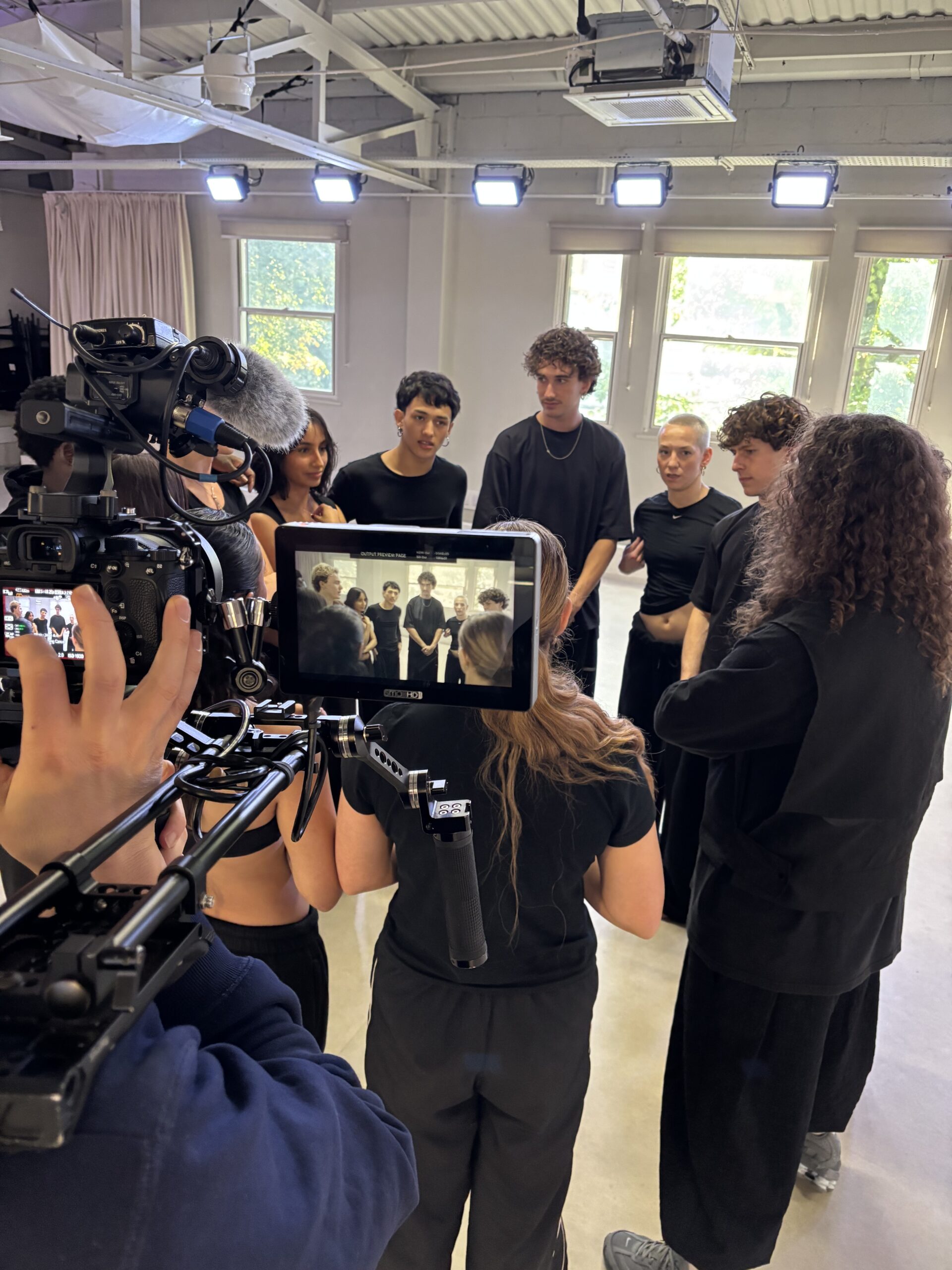
That cinematic quality was part of what made the feature format such a natural evolution. “The imagery is incredible,” he said. “This is not talking heads. This is like pure visual action, drama, competition, mixed in with a whole heap of emotion.”
And you can see it on screen and at times feel it, as the screen shakes when dancers land hard on the dance floor or make a move that’s intricate to the dance they are perfecting.
Dean Lee, Emily, Max and the pull of authenticity
The film’s emotional weight is also carried by its cast, including returning fan favourites Emily Smith, Conor Bann-Murray and Max Ostler, alongside Dean Lee, whose mentorship and presence sharpen the film’s sense of stakes.
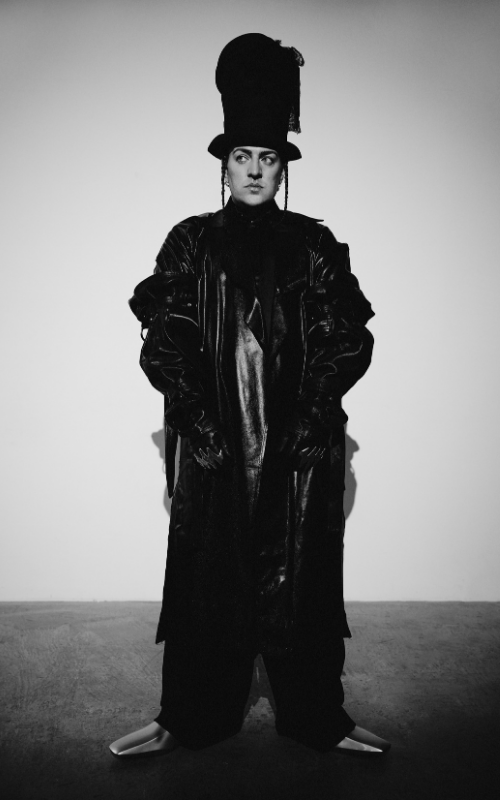
Cornish describes Emily as a documentary maker’s dream because of her openness. Max, meanwhile, is “a physical phenomenon” who brings technical brilliance and huge appeal. As for Dean Lee, Cornish sees him as the perfect embodiment of the film’s central contradiction: someone who has fought against the very standards he now helps enforce.
“Who is the world to tell any of these people that they do not fit the conventional look?” Cornish said. “He is the perfect example of how someone who had the tenacity to break through and the skill.”
That tension between exclusion and breakthrough is what gives Dance For Your Life its power. The film does not pretend the dance world is easy, fair or especially forgiving. But it does argue that talent, courage and identity can still carve out space in places that were never designed to make room.
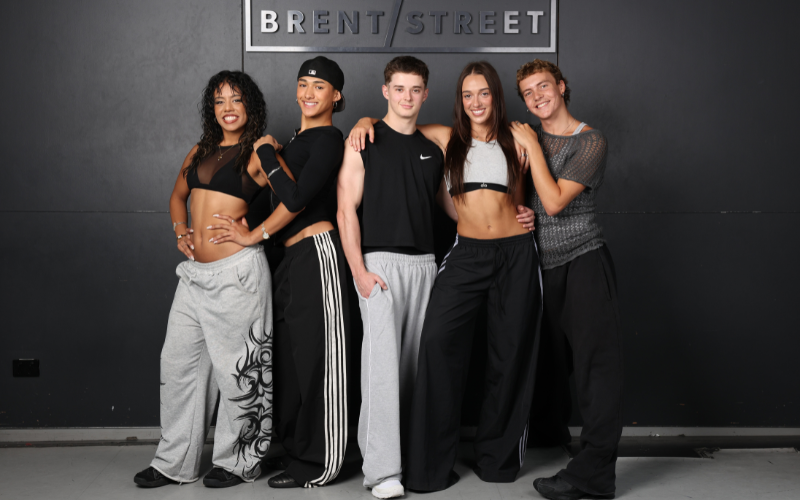
We also get to meet amazing new dancers and stars who will surely play a part in any third iteration. Jake Sergi, the Italian boy from country NSW that fits no mould but grabs the power of dance, Abby Faith White, with the injury that bamboozles Lee and the Professional Dancer and Brent St Alumni, Espoir Alpha, who just happens to be in London at the time and gets invited to join as a swing and tells his refugee story that has everyone in tears.
What Cornish wants audiences to feel
For Cornish, the film’s message is not limited to dance fans or queer viewers, though both groups are likely to see themselves in it. He wants the film to speak to anyone who has ever doubted they were enough, or wondered whether their dream was worth the cost.
“I hope they feel empowered,” he said. “I want them to know they are not alone in any way.”
He also wants young queer audiences, in particular, to leave feeling seen. Not in a tokenistic sense, but in a way that reflects the real emotional weight of growing up, hiding parts of yourself and trying to find a place in the world.
“It does change,” he said. “Things do get better.”
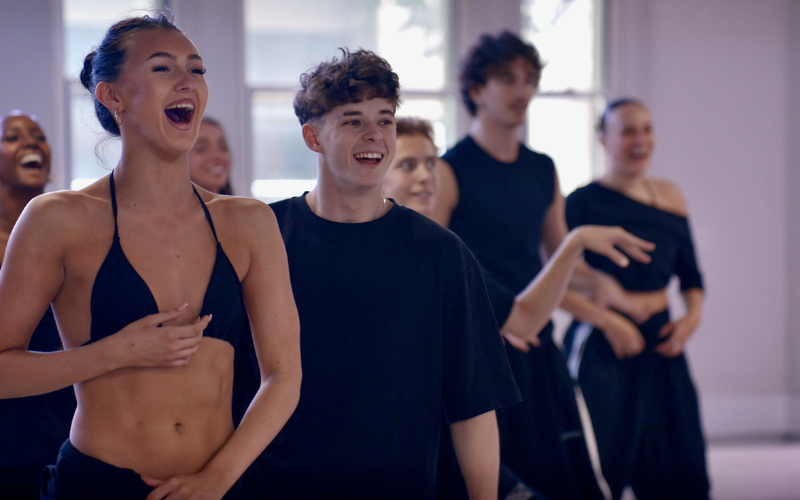
That may be the film’s most lasting message. Beyond the choreography, the celebrity connections and the pressure-cooker setting, Dance For Your Life is a story about resilience, belonging and the courage to keep going even when the odds feel stacked against you.
And for Cornish, that is exactly where the film belongs, on the big screen, in all its sweat, vulnerability and glory.
Dance For Your Life opens in cinemas nationwide on Thursday 2 April, giving audiences across Australia the chance to experience the film on the big screen exactly as Cornish intended. For fans of Dance Life, queer audiences looking for a story about identity and resilience, or anyone who loves a high-stakes underdog journey, this is one to catch in cinemas while you can.
Last Updated on Mar 30, 2026
The news team for Gay Nation love tips from our readers. Got tips or a news story that you would like published? Go here to tell us something.
Visit the Gay Nation store Now